
When a family pursues justice for a loved one who suffered abuse or neglect in a nursing home, they often face an organized, well-funded defense. Nursing home corporations and their insurers are experienced at minimizing liability. Their legal teams use a set of recurring arguments designed to shift blame, cast doubt, and avoid accountability. Knowing these defenses in advance can make a significant difference in how a family prepares and responds.
At Lanzone Morgan, LLP, one of the leading elder abuse law firms in the United States, our attorneys have spent decades confronting these tactics head-on. With 75+ years of combined experience and over $250 million recovered for victims and their families, we know how nursing home defense teams operate. This piece breaks down the most common defenses we encounter and what families should understand about each one.
Table of Contents:
- Blaming the Natural Dying Process
- The “It Was Just an Accident” Defense
- The “Unavoidable” Pressure Sore Defense
- Arguing That Not Every Fall Can Be Prevented
- Questioning Why the Family Didn’t Move Their Loved One
- Claiming the Resident Refused Care
- If You Believe Your Loved One Has Been Abused or Neglected, Contact Us Today
Blaming the Natural Dying Process
Nursing home defense teams frequently argue that a resident’s decline or death was an expected outcome of their age and underlying conditions. The suggestion is that nothing the facility did or failed to do contributed to the harm. This defense is used to make serious injuries and deaths seem inevitable.
This argument misrepresents what the standard of care requires. Nursing homes are responsible for maintaining each resident’s highest possible level of physical, mental, and emotional wellbeing. When a resident’s condition worsens due to neglect, infections go untreated, or injuries are ignored, that is not simply aging. That is a failure of care. Medical records, expert analysis, and documentation of the facility’s conduct can often demonstrate the difference between natural decline and preventable harm.
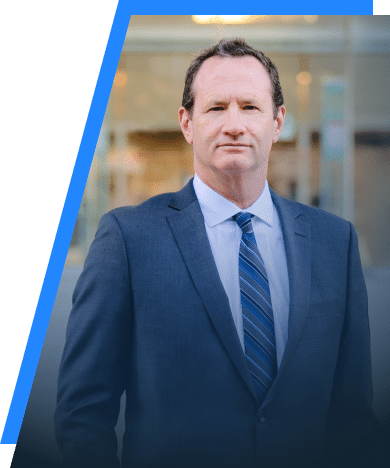
A defense we encounter frequently is that the injuries a resident sustained had nothing to do with the facility’s services, and were instead an expected outcome of the resident’s underlying disease processes. In many cases, the evidence tells a very different story.
Anthony Lanzone
Founding Partner

The "It Was Just an Accident" Defense
Social media is one of the biggest risks to an active nursing home abuse claim. Defense attorneys and insurance adjusters routinely monitor the accounts of plaintiffs and ta
One of the most common arguments nursing home defense teams make is that whatever happened was simply an accident. They frame injuries as random, unforeseeable events rather than the result of systemic failure. This argument is designed to make negligence seem like a stretch.
The reality is that nursing homes have a legal duty to provide a safe environment and a standard of care that meets federal and state regulations. When that duty is not met and a resident is harmed, the law allows for accountability. An injury being classified as an “accident” does not automatically mean the facility is free of responsibility. The question is always whether proper care protocols were in place and followed.
heir family members. A single photo or post, even one completely unrelated to the case, can be taken out of context and used to undermine your credibility. Vacation photos, birthday posts, and casual updates are all fair game.
The safest approach is to deactivate all accounts from the start of the case and keep them inactive until the matter is resolved. Ask friends and family not to tag you in posts or share photos of you while the case is active. One important rule: do not delete any existing posts or past content without speaking to your attorney first. Removing content after a lawsuit is filed can be treated as destruction of evidence, which carries serious consequences of its own.
One of the most common defenses we hear from nursing home corporations is simply that accidents happen. It is a convenient argument, but it is not a legal defense. Accidents and negligence are not the same thing, and it is our job to show the difference.

The "Unavoidable" Pressure Sore Defense
Nursing home defense teams frequently argue that a pressure sore was unavoidable given a resident’s medical condition. They point to age, illness, and limited mobility as reasons why skin breakdown was going to happen regardless of the care provided. This argument is used to make a preventable injury look like an expected outcome. It shifts focus away from what the facility did or failed to do and places it on the resident’s diagnosis instead.
Medical literature and clinical standards do not support this defense. The National Pressure Injury Advisory Panel has long established that most pressure injuries in care settings are preventable with consistent, attentive care. Regular repositioning, thorough skin assessments, adequate nutrition and hydration, and appropriate wound care are the foundations of pressure sore prevention. When a resident develops a serious bedsore under a facility’s watch, the question is not whether they had underlying health conditions, rather the question is whether the facility followed the protocols required. In many cases, a review of staffing records, care plans, and nursing notes reveals that those protocols were not followed at all.
We hear regularly that a pressure sore was unavoidable given a resident’s condition. In most cases, that is simply not true. Pressure sores are widely recognized as preventable with proper care. When a facility tells you the wound was inevitable, what they are often really telling you is that they did not do what they were supposed to do.
Arguing That Not Every Fall Can Be Prevented
Nursing home defense teams often argue that falls in elderly residents are simply unavoidable. They point to reduced balance, vision, and mobility as reasons why falls are bound to happen. A related version of this argument concedes that not every fall can be prevented, framing it as an inherent risk of aging rather than a failure of care. Defense teams also sometimes reframe a fall entirely, describing it as a controlled “assisted descent” or a “change of plane” to avoid the legal weight that comes with the word “fall.” These are carefully chosen arguments and carefully chosen phrases. They are designed to make negligence sound like inevitability.
Federal and state regulations tell a different story. Nursing homes are legally required to assess each resident’s individual fall risk upon admission and update that assessment regularly. Based on those findings, the facility must develop and implement a personalized fall prevention care plan. Options include bed and chair alarms, lowered bed frames, floor pads, regular monitoring, and adequate staffing. The legal standard does not require perfection. It requires the facility to follow its obligations for its residents. When obligations are ignored, the terminology used in an incident report does not change what happened or whether the facility met its duty of care.
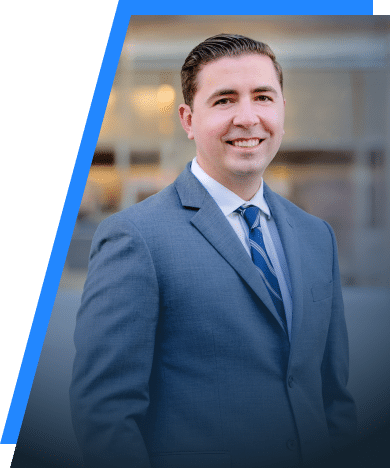
Nursing home defense teams will tell you that you cannot prevent elderly people from falling or that it’s not possible to prevent every fall. That is not true. Facilities are legally required to assess fall risk for every resident and implement a care plan to address it. Falling is not an acceptable outcome when the right precautions are ignored.
Chris Petersen
Associate Attorney
Questioning Why the Family Didn't Move Their Loved One
Families who pursue nursing home abuse cases are already carrying an enormous emotional burden. They trusted a facility with the care of someone they love, and that trust was broken. Some defense teams take advantage of that vulnerability by implying that the family shares responsibility for what happened. The suggestion is subtle but deliberate. If the family stayed, the reasoning goes, they must have found the care acceptable. It is a way of reframing the entire case around the family’s choices rather than the facility’s failures.
Families choose nursing homes because they believe their loved ones will receive professional care they cannot provide at home. Many residents depend on the facility for around-the-clock medical support that cannot easily be replicated elsewhere. Transitioning an elderly or medically fragile person out of a facility is not always immediately possible, and the decision to stay does not constitute acceptance of abuse or neglect. The responsibility for the care provided lies with the facility, not with the family.
Defense teams will sometimes argue: if the care was so bad, why didn’t you remove your family member from the facility? It is a deflection. The responsibility for the care provided belongs to the facility, not to the family that trusted them.

Claiming the Resident Refused Care
Nursing home residents do have legal rights, including the right to make decisions about their own care. Defense teams know this, and they use it strategically. When a facility faces allegations of neglect, one of the ways they respond is by pointing to the resident as the reason protective care was never provided. It shifts the narrative from what the facility failed to do to what the resident chose not to accept. In cases involving elderly adults with cognitive decline or serious illness, this argument can be particularly troubling.
For a refusal defense to be valid, the facility must meet a high standard of documentation and follow-through. According to CMS surveyor guidelines, the facility must discuss the resident’s condition, available treatment options, and the consequences of refusing care. The facility must document all steps taken to address concerns and offer alternatives. If a resident lacks the mental capacity to make an informed refusal, the situation requires additional layers of oversight. When facilities fail to document these conversations, fail to offer alternatives, or accept a refusal without ensuring the resident had the capacity to make that decision, the defense loses its legal footing.
A common defense in nursing home abuse cases is that the resident refused the services that would have protected them, and that it was their right to refuse. This defense has its limits. For it to hold up, the facility must meet a high standard of documentation and must demonstrate that the resident had the capacity to make an informed refusal.

If You Believe Your Loved One Has Been Abused or Neglected, Contact Us Today
Nursing home defense teams are prepared. They use these arguments consistently because they have worked in the past. Families who go up against them without skilled legal representation often find themselves at a significant disadvantage.
Lanzone Morgan, LLP is singularly focused on protecting the rights and welfare of the elderly community. Because nursing home and elder abuse cases are the only cases we handle, we bring a level of depth and efficiency to this litigation that other firms cannot match. Nursing home corporations know our firm. They know we understand how their defense teams operate, and they know we are prepared to take cases to trial when they refuse to accept accountability. If your loved one has suffered neglect or abuse in a California nursing home, assisted living facility, rehabilitation center, or any other long-term care setting, we are ready to help. Contact Lanzone Morgan, LLP today by calling 888-887-9777 or filling out our online form. We will listen, we will fight, and we will not stop until your loved one’s rights are upheld.

The following content has been legally reviewed and approved by nursing home abuse attorney Anthony Lanzone. Anthony holds notable memberships with professional organizations including the American Association for Justice and Consumer Attorneys of California.